

High-Performance Homes with Superior Airtightness and Insulation
KAⅡ homes achieve advanced insulation and airtightness, minimizing unnecessary heat exchange with outside air and creating a comfortable living environment with minimal temperature differences. High airtightness and insulation can reduce heating costs by approximately 50% and significantly lower cooling expenses as well.
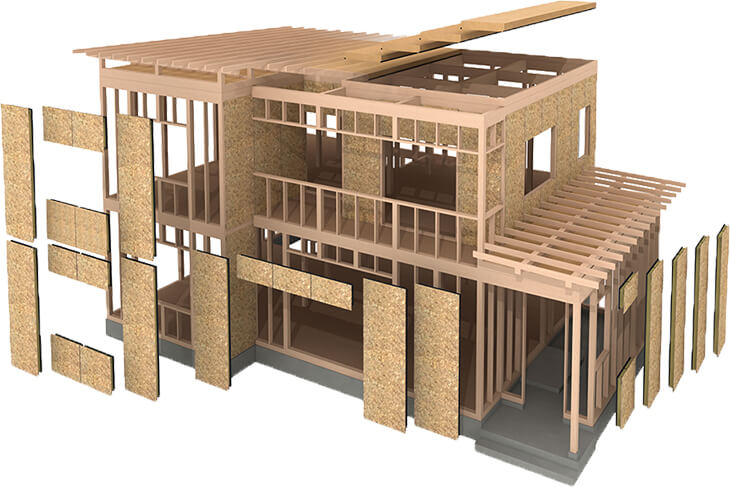
Building Homes with Exceptional Airtightness and Minimal Gaps
By eliminating gaps and improving airtightness, the overall comfort of a home is significantly enhanced. KAⅡ’s high-airtight, high-insulation homes prevent outside air from entering even through unseen gaps, improving the insulation performance of the entire building.
In addition, we apply spray insulation within the structural framework—such as between interior columns—allowing for efficient construction in a shorter time while keeping costs under control.
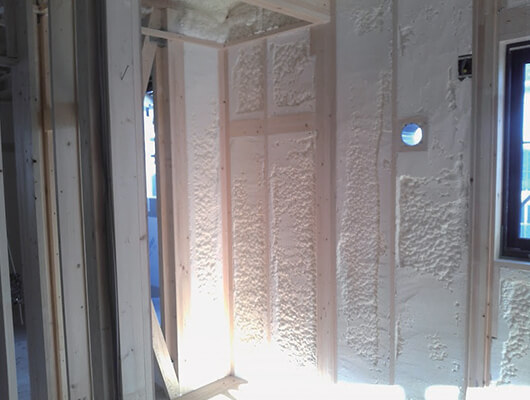
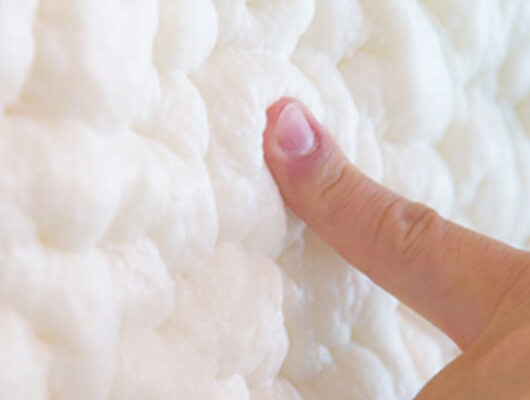
An Essential Feature for High-Airtight, High-Insulation Homes:
Total Heat Exchange Ventilation System
Under current regulations, all homes are required by law to be equipped with a ventilation system that replaces all indoor air at least once every two hours. The most common approach is the “Type 3 ventilation system,” which uses exhaust fans only, while fresh air is naturally drawn in through intake vents installed in each room.
In recent years, however, the “Type 1 ventilation system,” which uses fans for both air intake and exhaust, has gained increasing attention.
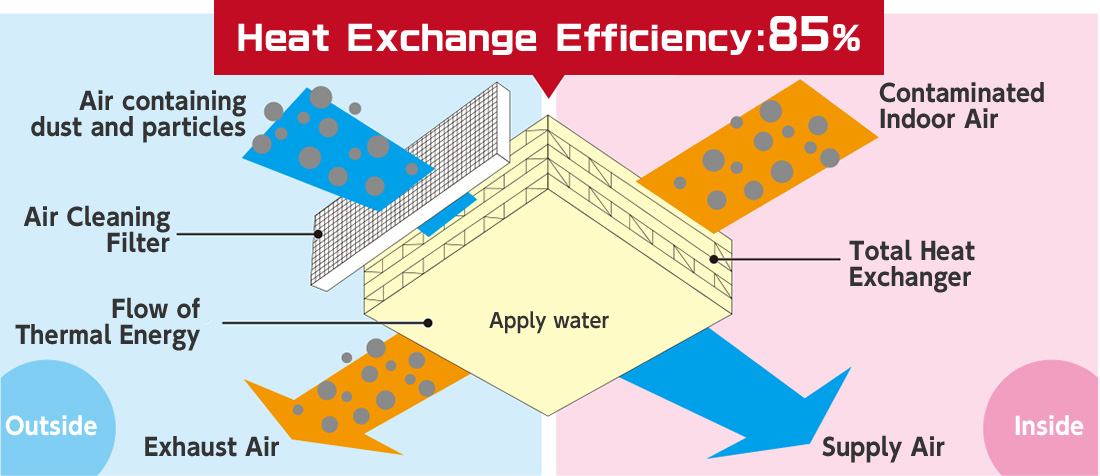
At KAⅡ, we recommend a “total heat exchange, 24-hour planned ventilation system,” a Type 1 system that not only evenly circulates indoor air but also adjusts incoming outside air to a temperature close to that of the interior. This minimizes heat loss and reduces heating and cooling costs.
By adopting a total heat exchange ventilation system, KAⅡ ensures efficient ventilation while maintaining stable indoor temperature and humidity. This reduces not only temperature differences between rooms but also vertical temperature variations, creating a consistently comfortable living environment. Minimizing temperature differences throughout the home also helps prevent heat shock in winter, which can lead to serious health risks such as heart attacks in areas like bathrooms and toilets.
Hybrid Windows Significantly Reduce Heat Loss Through Windows
As the insulation performance of a building’s walls improves, heat transfer becomes greater through windows than through walls. Many housing manufacturers use inexpensive aluminum window frames; however, aluminum conducts heat easily, making it vulnerable to cold temperatures and condensation. For this reason, KAⅡ adopts high-performance hybrid windows with superior insulation performance as a standard specification.
High-Performance Glass
By applying Low-E glass to one side of the glazing and filling the insulating cavity with argon gas, which has low thermal conductivity, high thermal insulation is achieved. Compared to dry air, argon gas reduces heat transfer by approximately 30%.
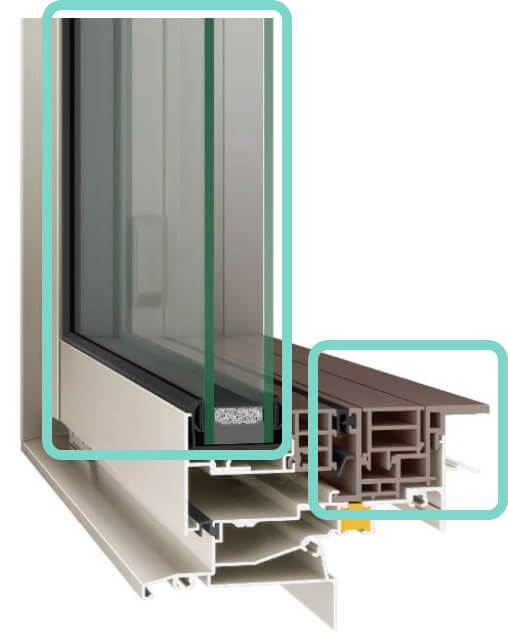
Minimizes Heat Transfer
High-Performance Frame
On the interior side, resin material is used, which conducts heat approximately 1,000 times less than aluminum. In addition, the frame interior is designed with a multi-layer structure that incorporates multiple air chambers to suppress heat transfer, further enhancing insulation performance.